
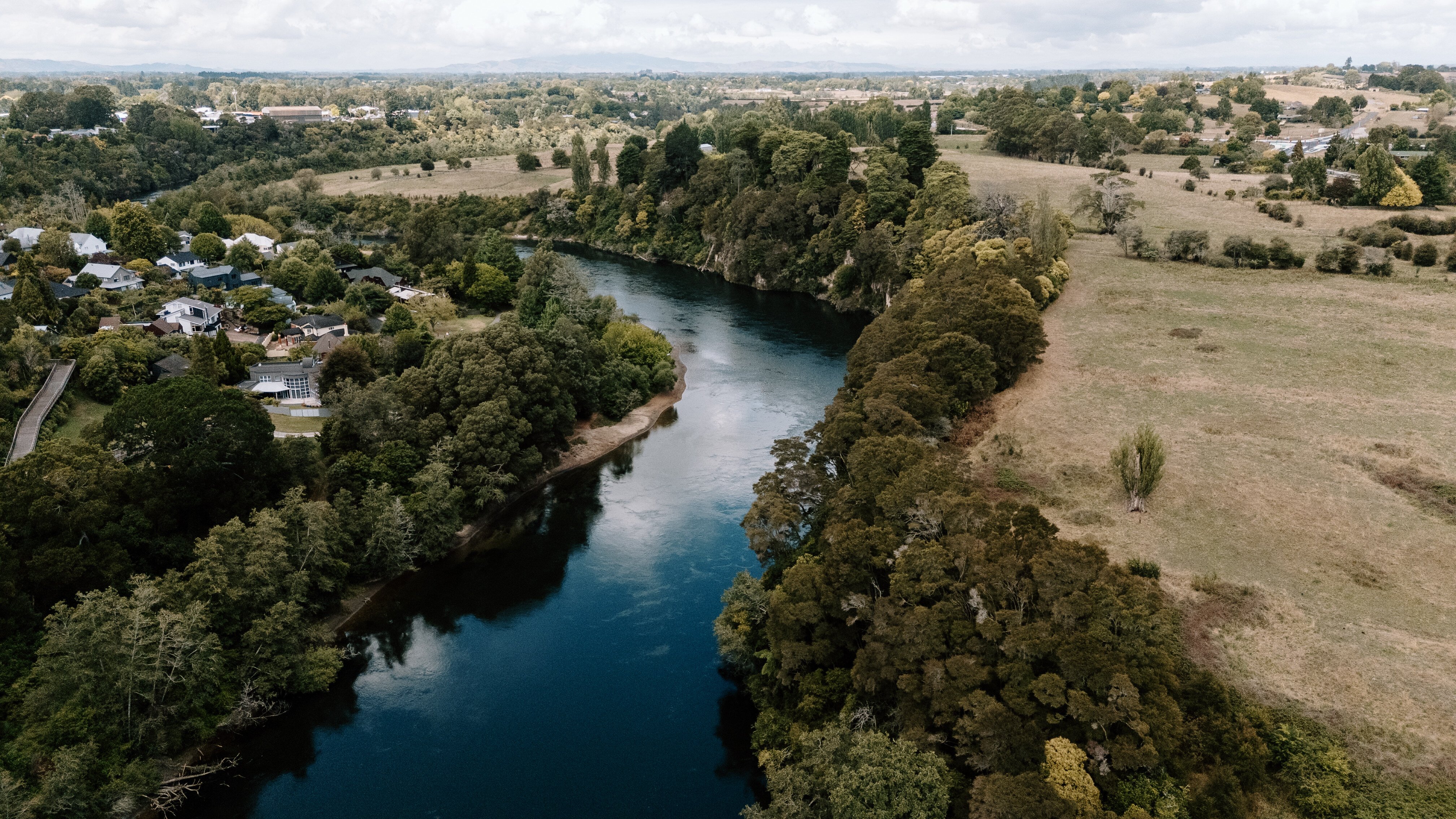
Hamilton City Council is investing in essential wastewater infrastructure to safeguard the environment and ensure reliable services for current residents.
From March 2026, upgrades will begin at the Te Anau pump station near Glenview, which is currently at capacity and risk of overflows.
The upgrades to the pump station will relieve pressure on the network by redirecting wastewater flows to the new Peacocke wastewater transfer station and away from the constrained western wastewater network.
“The western wastewater network is constrained, which puts it at real risk of overflows. By shifting flows to Peacocke transfer station, we can protect the community and the river from overflows, while ensuring wastewater is transported safely to our treatment plants,” said Maire Porter, Hamilton City Council’s Unit Director – Three Waters.
Works are expected to take place over 18 months, delivered in stages to minimise disruption.
Traffic management operations will be in place at various times along Splitt Avenue, Dixon Road, Waterford Road, and Peacockes Road. The Comet via Glenview and Fitzroy bus routes will be temporarily affected, with bus stops relocated in consultation with Waikato Regional Council.
CB Civil is contracted to carry out the work and will be based in Te Anau Park. Some areas of the park, including the walkway between Te Anau Park and Splitt Avenue, will be closed until mid-2027.
From 1 July 2026, the ownership of Te Anau pump station and Peacocke wastewater transfer station will transfer to IAWAI, the new publicly-owned water company formed by Waikato District Council and Hamilton City Council.
This $9.9 million project, approved in the 2024–34 Long-Term Plan, is part of Council’s wider strategy to manage wastewater capacity and protect the Waikato River.
Find out more at hamilton.govt.nz/teanau